




ABOUT FIRST INTERSTATE

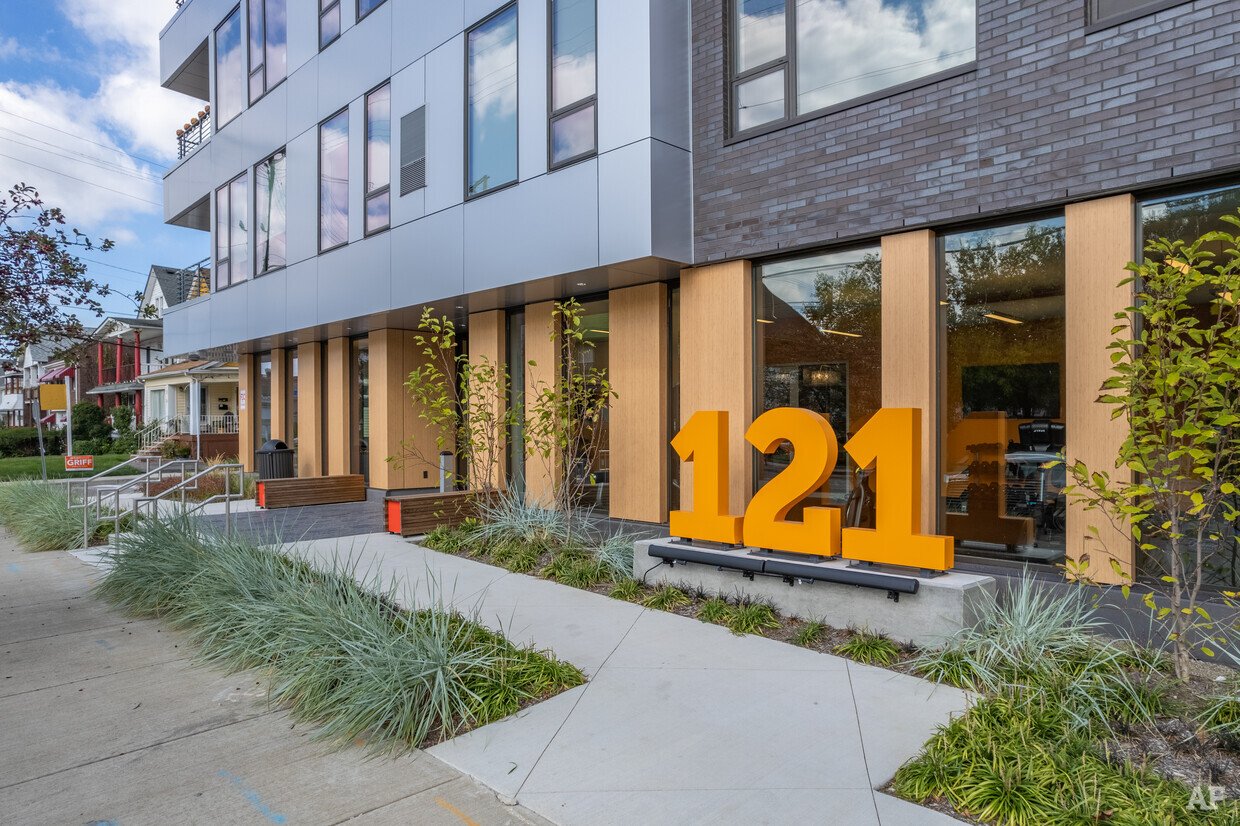
First Interstate Properties is a Cleveland-based real estate development/management company invested in Cleveland’s continued development and prosperity with a portfolio of both commercial and residential spaces. They focus on creating “environmentally respectful high-impact projects that create value” for all stakeholders: residents, communities, and investors. One landmark building they are known for developing is the luxury apartment building One University Circle.
THE CHALLENGE
The Solution

Step 1 - Listen and Strategize
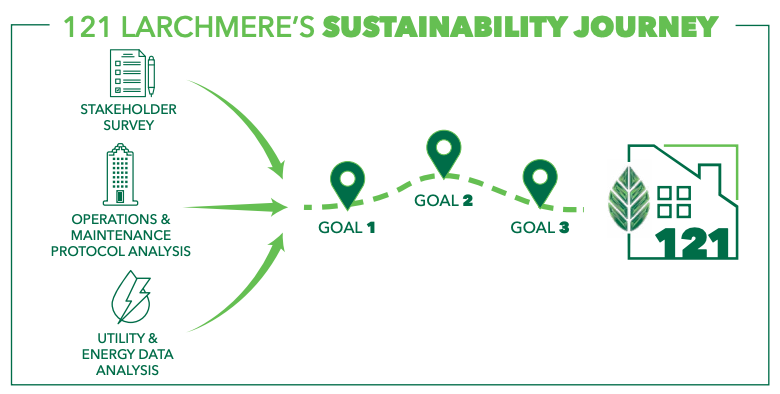
To facilitate strategy development, Emerald employed the LEED v4 Integrated Design Process to increase synergy across building systems, including energy and water, and energy modeling at multiple project stages, but that was just the start. Once the initial strategy was set, the team moved into evaluating options.

STEP 2 - Evaluate and Plan
When it came time to refine the preliminary project strategy by considering design options and running calculations, many owners followed along. First Interstate fully engaged in this part of the project by actively participating in design charrettes, which are interactive meetings that encourage stakeholders to align objectives and plans. Charrettes are an important part of the Integrated Design Process because they encourage disciplines to understand how design impacts extend beyond the obvious--creating efficiencies in evaluation and planning. Through this process, First Interstate actively managed the decision-making process, pushing back on the collective team to find the right answer. They were keenly attuned to design and operation strategies that met the community’s goals, and theirs. For example, First Interstate repositioned Emerald’s traditional presentation of credit prioritization and related costs to prioritize decision-making that first addressed broader project goals.

STEP 3 - Implement
Throughout construction, First Interstate, City Architecture, Emerald, and the contractor A.M. Higley held weekly meetings to discuss outstanding items, current LEED Construction credit status, and Commissioning status. Emerald and First Interstate were aligned in deadline setting, with Emerald providing the action items and the owner effectively pushing the construction team to meet deadlines. With First Interstate’s active engagement in the LEED Construction process, the contractors and subcontractors stayed on task, resulting in a timely LEED Construction submission.

STEP 4 - Test and Measure
One of First Interstate’s choices early in the project was to invest in rigorous commissioning, a process that ensures the building operates as designed. With a portfolio of buildings to manage, they know the value of commissioning and opted for both the enhanced commissioning and envelope commissioning options in LEED. As an engaged owner, they took the precaution to avoid issues in the future and gain an extra test & measure phase during the warranty phase.
The Outcome
WHAT’S NEXT
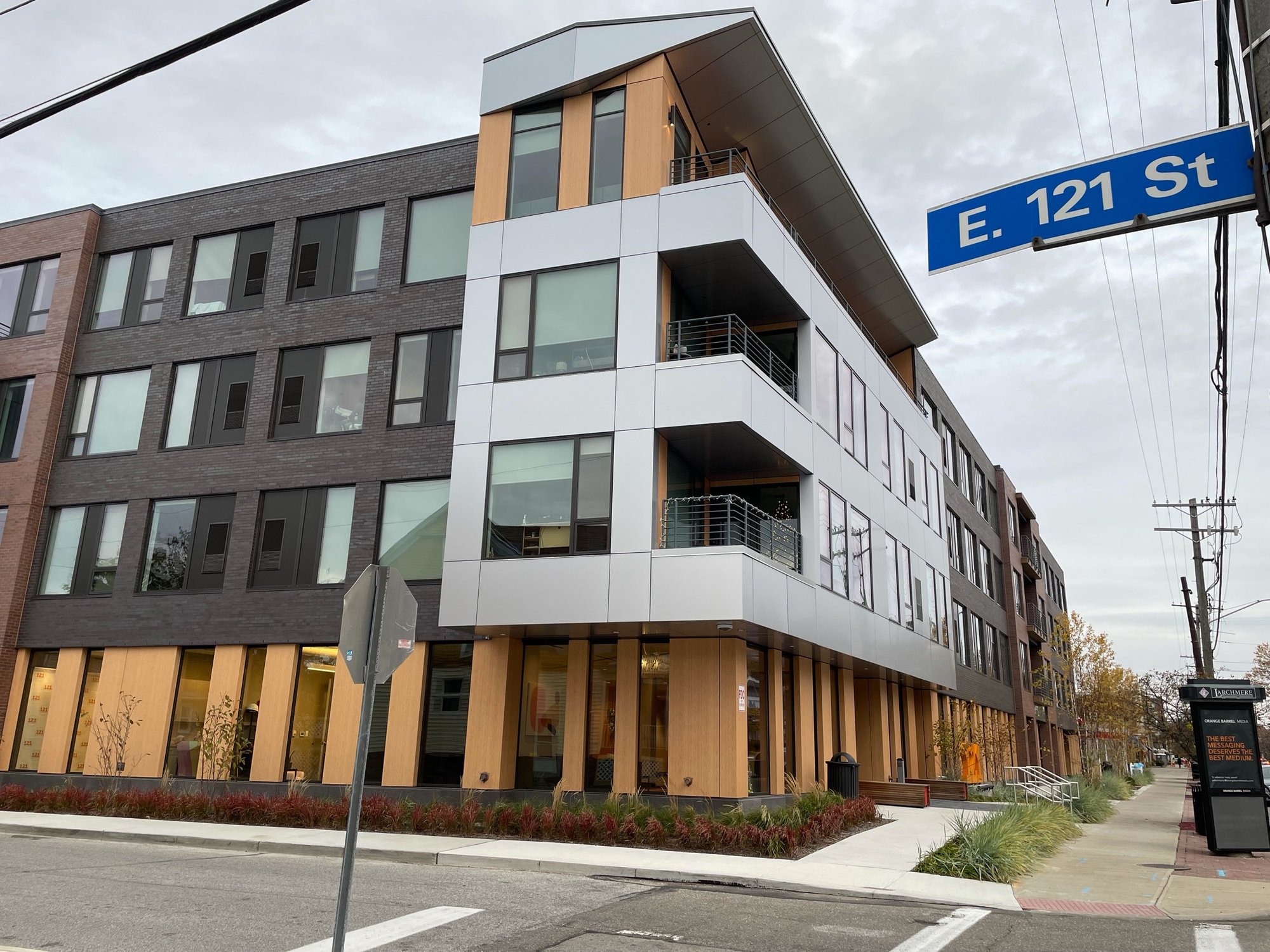
With another successful, environmentally respectful building in its portfolio, First Interstate plans to continue to develop high-impact projects that have a lasting positive impact in the Cleveland area.