




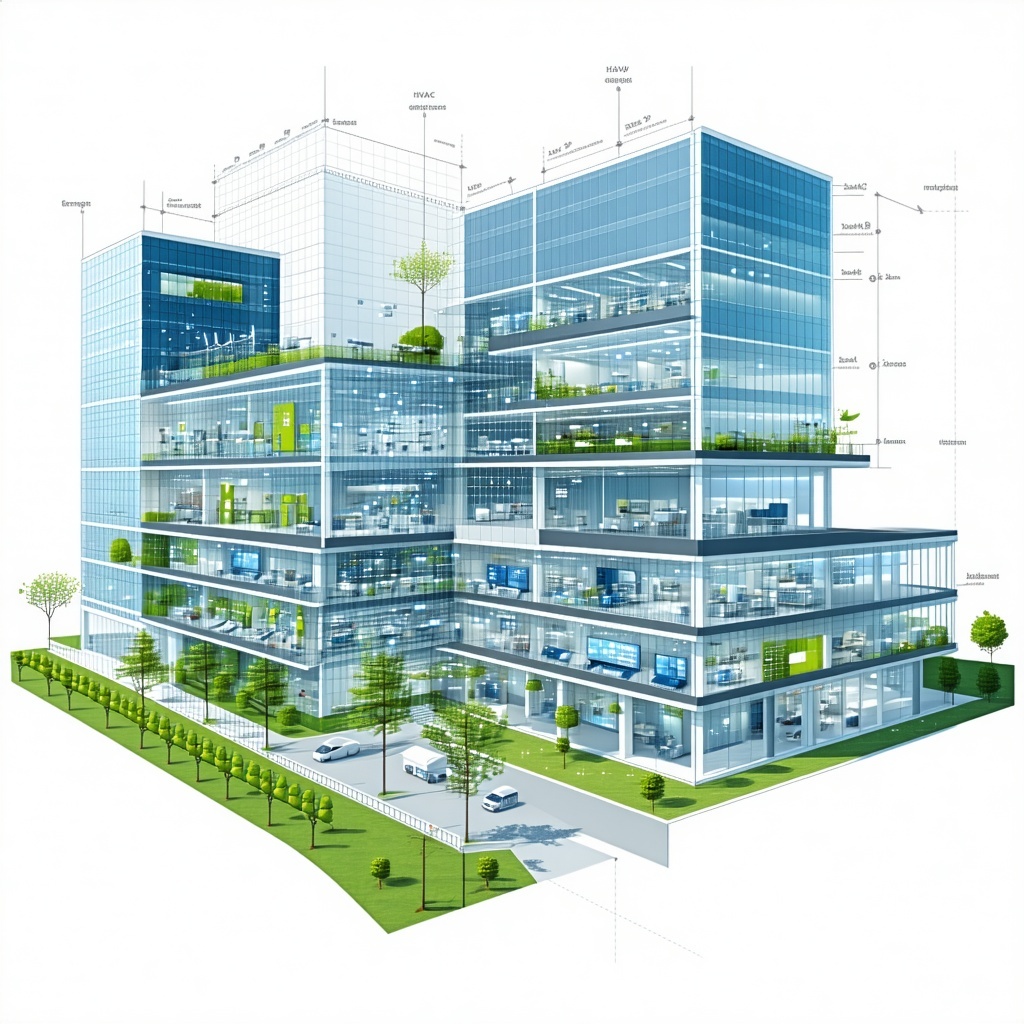
Wish you had a crystal ball to predict energy use and cost before construction begins? Building energy modeling gives you exactly that—data-driven foresight.
When owners and design teams skip this step, they often face costly inefficiencies, underperforming systems, or missed compliance targets down the line. Whether you're trying to meet code, hit a certification target, manage lifecycle costs—or assess your carbon impact—energy modeling helps you make informed decisions early, when they’re easiest and cheapest to change.
It’s not just about compliance—it’s about confidence. With Emerald Built Environments’ building energy modeling expertise, you gain more than just a simulation. We incorporate renewables analysis, carbon projections, and performance strategies to deliver actionable insights that align with your cost, certification, and sustainability goals. Our team connects the dots between energy use and sustainable design, helping you reduce risk, maximize ROI, and build smarter from day one.
What Is Building Energy Modeling?

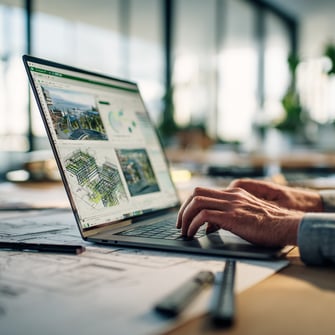
Building energy modeling—also known as a building performance simulation—is a sophisticated digital tool that predicts how a building will use energy based on its design. It factors in systems like lighting, HVAC, insulation, glazing, and orientation to simulate performance and estimate costs before a building is constructed or renovated.
More than just a compliance tool, energy modeling is one of the most advanced technologies available for carbon mitigation in the built environment. It helps owners and design teams optimize efficiency, assess potential carbon impact, and explore renewable energy options early in the process. Backed by building energy modeling (BEM) technology, these simulations support smarter design, operations, and retrofits—reducing risk, avoiding costly surprises, and ensuring buildings perform as expected.
What Stages of Building Is Energy Modeling Appropriate For?
Energy modeling adds value at multiple stages of a building’s lifecycle:
Early Design
Helps shape the building’s orientation, insulation choices, and mechanical systems for peak efficiency.

Design & Engineering
Fine-tunes systems for cost-effective energy performance.
What Are the Benefits of Energy Modeling?

Cost Savings
Avoids overbuilt or inefficient systems, reducing upfront and operational costs.

Performance Optimization
Ensures mechanical systems, lighting, and insulation work in harmony for peak efficiency.

Risk Reduction
Minimizes surprises by forecasting energy use, helping owners avoid costly miscalculations.

Compliance & Incentives
Supports energy code compliance, sustainability standards like NGBS, LEED, Energy Star, and potential tax credits and rebates.

Carbon & Renewables Planning
Evaluates carbon impact and integrates renewable energy options to support long-term sustainability and decarbonization goals.
What’s Involved?
A detailed building energy model accounts for:
- Building orientation and climate considerations
-
HVAC system efficiency, controls, and scheduling
-
Lighting design and daylighting strategies
-
Renewable energy potential (such as solar or geothermal)
-
Envelope performance, including insulation, roofing, and windows
-
Projected carbon emissions tied to energy use
Blogs
Explore our curated blog posts to learn how building energy modeling supports smarter design, certification goals, and long-term building performance. Whether you’re new to the process or looking to refine your approach, these insights can help you make more informed, energy-conscious decisions.
Starting Your Sustainability Journey: Your Questions Answered
In today's rapidly evolving world of sustainable buildings, conducting energy modeling
Energy Modeling as a Design Assist Tool
When it comes to designing new builds or renovations, energy planning is a real challenge — and is often deprioritized in the early design stages
What Is Energy Modeling? [VIDEO]
Imagine that you’ve hired architects and a set of engineers to design a new 6-story office building that will have an upscale restaurant on the first floor.
Navigating Net Zero: Your Top Questions Answered
Have you ever wondered about the nitty-gritty details of net zero and how it impacts your business?
At Emerald Built Environments, a Crete United Company, we translate energy modeling into actionable insights that help you design, build, and operate high-performance buildings.
Whether you’re looking to maximize efficiency, reduce costs, or achieve sustainability goals, our team makes energy modeling work for you. Let’s talk about how we can optimize your next project.